Makki ka Atta (Maize Flour): How to Buy, Store and Cook With It
Find Recipes
English: maize flour, fine yellow cornmeal
Urdu: مکئی کا آٹا (makki ka atta)
Punjabi: makki da atta
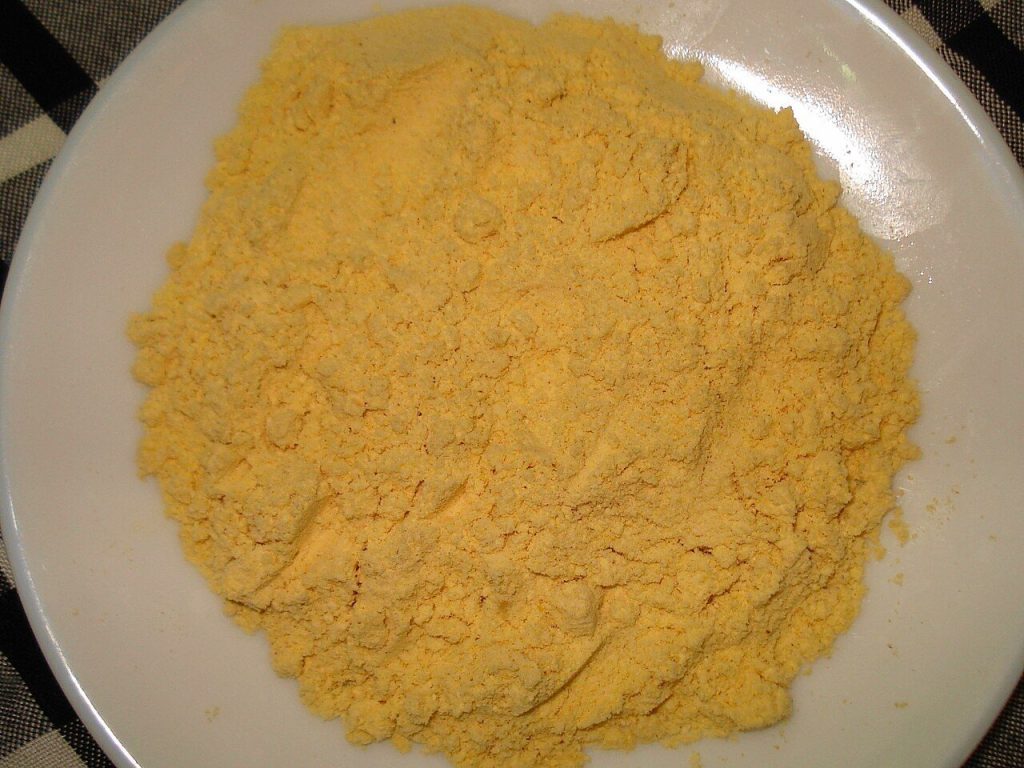
Photo: Makai ka Atta by Miansari66, Public domain, via Wikimedia Commons
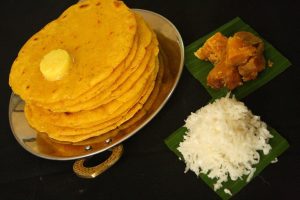
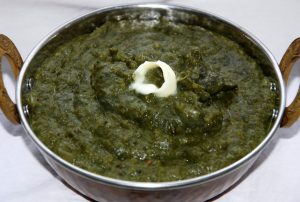
Makki ka atta is flour made by grinding whole dried maize (corn) kernels. It is bright yellow, slightly sweet and a little coarse, and in Punjab it is the flour of winter: it goes into makki ki roti, which is eaten with sarson ka saag, a spoon of white butter and a glass of lassi.
Because it is made from the whole kernel, makki ka atta has much more flavour than white cornflour, but it also behaves very differently from wheat atta. Once you understand why, kneading it becomes easy.
What makes it different from wheat atta
Makki ka atta has no gluten. Gluten is what makes wheat dough stretchy, so a makki dough does not stretch or hold together on its own. It cracks at the edges and breaks if you try to roll it like a chapati.
This is why makki ki roti is shaped by patting the dough between your palms, or pressing it out on a sheet of plastic or a damp cloth, instead of rolling it with a belan.
Because the whole kernel is ground, including the oily germ, fresh makki ka atta has a sweet, nutty smell. The same oil is why it goes stale faster than wheat flour (see storage below).
Makki ka atta is not cornflour
These names get mixed up, especially in recipes from other countries:
Makki ka atta: whole maize ground into a fine yellow flour. Used for roti and to thicken saag.
Cornflour (UK) or cornstarch (US): a fine white powder made only from the starch of the kernel. It is used to thicken sauces and soups and will not make a roti.
Cornmeal and polenta: maize ground coarser. Fine yellow cornmeal can replace makki ka atta; coarse polenta is too gritty for roti.
Masa harina: maize treated with lime before grinding, used for Mexican tortillas. It makes a soft flatbread but tastes different.
How to buy it
Buy it in winter, when the new crop is milled and shops sell it fresh. Flour from a local chakki is usually the freshest.
Good makki ka atta is an even, bright yellow and smells sweet. If it smells sour, bitter or like old oil, it is stale.
Buy only as much as you will use in a month.
How to store it
Keep it in an airtight container in a cool, dark cupboard and use it within about a month.
For longer, keep it in the fridge (2 to 3 months) or the freezer (up to 6 months). Let it come to room temperature before kneading.
Always use a dry spoon. Moisture makes the flour lumpy and mouldy.
How to cook with it
Knead with warm or hot water, adding it a little at a time. Warm water softens the flour and makes the dough smoother and less crumbly.
Knead each portion again with the heel of your hand just before shaping it. A well-kneaded dough cracks much less.
Beginners can add a little wheat atta (about 1 part to 4 parts makki ka atta). It is less traditional, but the roti holds together more easily.
Grated radish (mooli), finely chopped methi, onion or green chillies can be kneaded into the dough for flavour.
A few tablespoons, whisked into water, thicken sarson ka saag and give it its creamy, smooth texture.
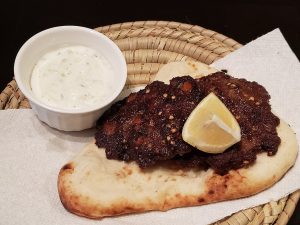
It also binds the mince in Peshawari chapli kabab and gives the kababs their crisp crust.
Substitutes
Fine yellow cornmeal is the closest substitute.
For thickening saag, you can use besan or wheat atta instead.
Do not use cornflour (cornstarch); it will not work for roti.
Nutrition in brief
Makki ka atta is a whole-grain flour, so it contains fibre as well as starch. It is naturally gluten-free, which makes it useful for people who avoid gluten, as long as it is not mixed with wheat flour. Its yellow colour comes from natural plant pigments (carotenoids).
No. Makki ka atta is whole maize ground into yellow flour. Cornflour (cornstarch) is a white starch powder used only for thickening, and it cannot be used to make roti.
Is makki ka atta gluten-free?
Yes, pure makki ka atta has no gluten. If you add wheat atta to make the dough easier to handle, the roti is no longer gluten-free.
Why does my makki ki roti break?
Usually the dough was kneaded with cold water or not kneaded enough. Use warm water, knead each portion again just before shaping, and pat it out on a sheet of plastic instead of rolling it.